
Individual retail packs
Bring a complete product example and describe the appearance you want after wrapping. Include corners, protrusions and any support material so the assessment considers the real pack rather than an approximate product outline.
Explore shrink wrapping machinery with Lancing. Review product size, film, handling and the finished result before selecting a machine configuration.
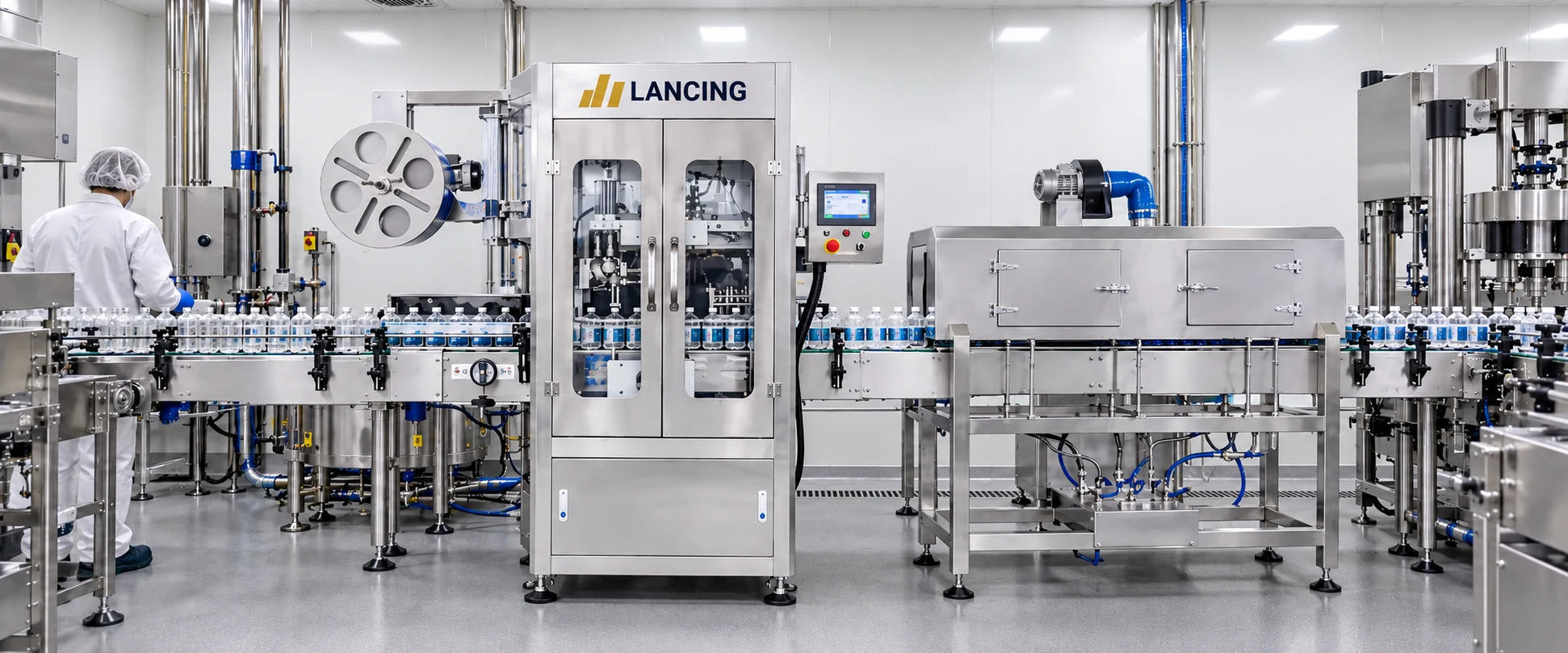 Application focus / Wrapping & sealing
Representative Lancing production imagery. Final machinery and configuration depend on your application.
Choose a shrink wrapping machine by the finished pack, not by the word shrink alone. Chamber, L-sealing and sleeve-wrapping arrangements suit different handling and presentation requirements. Define whether the task is to wrap an individual item or hold a group together, then assess film, sealing, heat exposure and discharge. Lancing publishes these different equipment routes; the actual product and pack must establish the appropriate configuration.
Read the buying questions and worked example
View the relevant Lancing machinery rangeExplore the production situations that shape the specification. These examples describe requirements to discuss, rather than confirmed machine configurations.
Bring a complete product example and describe the appearance you want after wrapping. Include corners, protrusions and any support material so the assessment considers the real pack rather than an approximate product outline.
For a bundle, state the number of items, their arrangement and whether a tray is involved. Explain how the group will remain stable while film is applied, sealed and moved through the process.
Describe the loading and removal tasks as well as the machine position. Show staging space for unwrapped and finished products so the proposed equipment can be reviewed as a usable operator station.
Use these routes to frame the discussion. Lancing will confirm the proposed machine, handling method and scope against your product and packaging.
Lancing lists chamber sealing machinery that brings sealing and shrinking into a compact working arrangement. Ask how your products would be loaded and how the assessed pack range would be handled.
Consider whenA compact wrapping discussion centred on individual products.
An L-sealer can be discussed with a shrink tunnel as a sealing and shrinking sequence. Confirm the film format, product transfer and intended automation for the application.
Consider whenPacks that suit an L-type sealing arrangement.
For grouped products, describe the group dimensions, tray requirement and stability. Lancing publishes sleeve-sealing equipment; the proposed grouping and feed arrangement still need to be defined.
Consider whenBundles and multipacks requiring application review.
Use the packaging purpose and stability of the complete load to narrow the comparison.
| Decision | Options to compare | Why it matters |
|---|---|---|
| Finished result | Individual retail pack or grouped transport bundle | Presentation and load containment can call for different film and sealing arrangements. |
| Loading pattern | One-at-a-time loading or prepared groups | Grouping and support must be included if the wrapping stage receives loose products. |
| Heat process | Combined chamber or a separate shrinking stage | Footprint and the sequence of loading, sealing and shrinking affect the working method. |
| Format extremes | Smallest and largest complete pack | The full load, protrusions and support tray influence fit and transfer suitability. |
Compare the complete application and agreed scope. These factors affect the quotation; a project-specific assessment is needed before price and suitability can be confirmed.
A combined chamber and a separate sealing-and-tunnel arrangement have different equipment and handling scopes. Compare complete operations rather than isolated machine names.
Trays, group assembly and stabilising transfers can add tasks before wrapping. Clarify whether they are operator work or included equipment.
Film changes, material trials and adjustments across different packs influence setup requirements. State the intended mix and batch sizes in the enquiry.
Ask Lancing about your requirementsDownload the specification checklist ↗
Use the published references alongside your product and pack details. Confirm the final configuration and scope with Lancing.
Use for the individual-product route in the comparison.
Check for your application: A published option for application review; availability, final specification and price are not established here.
Explore Lancing Automatic L-Sealer MachinesUse for the proposed grouped-load route; agree tray and group preparation.
Check for your application: A published option for application review; availability, final specification and price are not established here.
Explore Lancing Automatic Sleeve Sealing MachinesGrouped shrink-pack comparison worksheetContact Lancing about this application ↗
Start with the constraints that affect your application. Our selection guide helps you organise a useful machinery brief.
 Read the selection guide
Measure the complete pack, including protrusions and any tray or support.
Explain whether wrapping is intended for retail presentation, grouping or protection during handling.
Consider where products are loaded, where film is replenished and how finished packs are removed.
A practical starting point for your enquiry, with the actual specification confirmed before an equipment decision.
Gather a product example, dimension range and proposed film information. Include photographs of the desired finished presentation and the way packs are handled afterward.
Discuss the pack and production pattern with Lancing. Identify which sealing, shrinking and transfer stages belong in the proposed arrangement.
Ask for format compatibility, included equipment and expected operation to be confirmed. Use samples to resolve material or presentation questions before committing to a configuration.
Practical answers to help you prepare a more useful discussion.
A tunnel addresses the shrinking stage. The full process must also provide a suitable film and sealing arrangement, plus product handling. Ask for the entire sequence to be defined.
Share the film type, thickness and supplier details if known, together with a sample. If you have not selected film, describe the pack requirement and ask what should be assessed.
Provide the full dimension range and frequency of change. Ask which settings, adjustments or parts are required and whether the proposed setup covers every format you want to run.
Start with good packs needed per shift. Review loading, sealing, shrinking, discharge and routine interruptions together, then ask Lancing to assess the proposed arrangement against that requirement.
Tell Lancing what you need to handle, pack or produce. Start with the details you know; use the application brief to organise the rest.